This Saffron Compound Targets a Protein Behind One of the World’s Most Common Liver Diseases
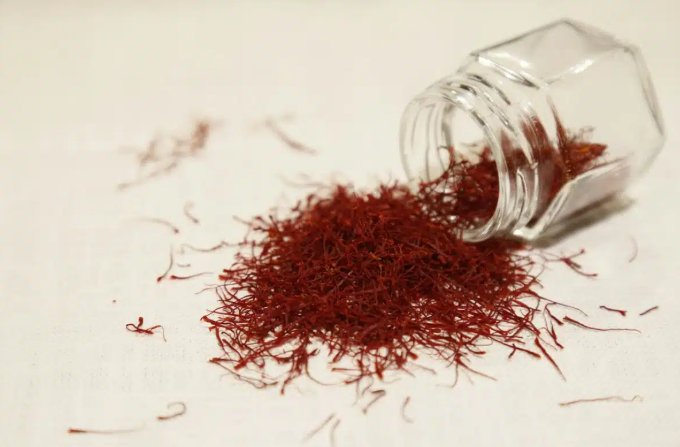
More than a quarter of adults worldwide have a liver condition most have never heard of, and it is spreading fast. Treatment options remain limited, and researchers are still looking for therapies that work well with fewer drawbacks. A compound pulled from saffron, the spice that colors paella and often costs a small fortune at the grocery store, may represent an early preclinical lead in that search.
Researchers have identified a molecule called Crocin II, derived from saffron, that appears to reduce fat buildup in the liver by targeting and helping break down a protein linked to the disease. The study, published in the journal Targetome, presents Crocin II as a preclinical lead compound, tested only in cells and mice so far.
Doctors call this liver disease metabolic dysfunction-associated steatotic liver disease, or MASLD, a condition where fat builds up in the liver and damages it over time. It’s closely linked to obesity, high cholesterol, type 2 diabetes, and high blood pressure. Its global rate among adults sits at 30%, and one projection cited by the authors forecasts that figure could climb to 55.7% by 2040. In the United States, MASLD-related liver disease has become a rapidly growing reason for liver transplantation, with a tenfold increase over the past decade.
A Liver Protein Called ANGPTL8 Rises as Fat Damage Worsens
At the heart of this research is a protein called ANGPTL8, which the liver produces and releases into the bloodstream. It helps regulate how the body handles fats and also affects inflammation. In people with MASLD, ANGPTL8 levels rise, and that elevation has been linked to worse liver damage.
Previous attempts to block it have hit walls. One approach used genetic tools to silence the gene that makes ANGPTL8, but those tools are fragile and hard to deliver safely. Another used an engineered immune molecule to neutralize the protein, which worked in animals but is expensive to manufacture and breaks down quickly. Neither has reached clinical use.
That’s where Crocin II comes in. Saffron has been used medicinally for centuries. One ancient Chinese herbal text cited in the paper states simply: “Saffron alleviates all liver disorders.” Researchers set out to test whether one purified compound from that spice could act on ANGPTL8 directly.
Two Saffron Compounds Competed, and Crocin II Won
Researchers built a library of 70 small molecules found in saffron, then tested which ones might latch onto ANGPTL8. Two candidates stood out: Crocin I and Crocin II, the pigment molecules that give saffron its golden-orange color. A pair of lab tests, one that heated cells to see how quickly ANGPTL8 broke down and one that exposed it to a digestive enzyme, showed both compounds were interacting with the protein. A third, more direct test settled the question: Crocin II grabbed onto ANGPTL8 more tightly than Crocin I did.
Crocin II Sped Up the Liver Protein’s Breakdown Through the Cell’s Own Recycling System
Rather than simply blocking ANGPTL8, Crocin II seems to flag it for the cell’s own trash-disposal system, a process where cells wrap up unwanted proteins and haul them off to be broken down. When researchers jammed that disposal system, Crocin II stopped working, pointing straight to that pathway as the reason it succeeds. With Crocin II on board, half of the ANGPTL8 protein in a cell disappeared in just 6.45 hours.
Computer modeling also hinted that Crocin II might team up with P62, a helper protein that ferries material into that same disposal system. That idea still needs to be tested directly in the lab.
Treated Mice Lost Weight and Showed Better Blood Sugar and Cholesterol Levels
To test whether this held up in a living animal, researchers fed male mice a 60% fat diet for 10 weeks to induce MASLD, then gave them daily abdominal injections of purified Crocin II at different doses, or a saline control, with six animals per group. The experiment did not test saffron as a food or supplement.
At the highest injected dose, mice weighed 18.58% less than untreated mice eating the same fatty diet. Blood tests showed Crocin II brought down triglycerides, total cholesterol, and LDL cholesterol, the “bad” kind, while easing insulin resistance and steadying blood sugar. Liver enzymes, which spike when the organ is under stress, dropped too, and tissue samples showed noticeably less fat packed into the liver.
Researchers also examined the kidneys, hearts, and spleens of treated mice, reporting no obvious damage, although the small, 10-week study was not enough to establish overall safety.
Source : https://studyfinds.com/saffron-fights-fatty-liver-disease/



