Naib Risaldar Virender Singh suffered a severe brain stroke while deployed in the harsh high-altitude conditions of Ladakh at 16,000 feet
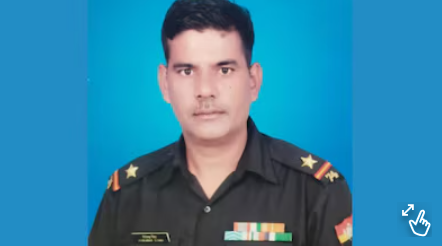
In a poignant testament to the spirit of military service, a serving Indian Army soldier has saved or restored the lives of six individuals across the country. Naib Risaldar Virender Singh suffered a severe brain stroke while deployed in the harsh high-altitude conditions of Ladakh at 16,000 feet. Despite immediate evacuation and advanced medical intervention at the Command Hospital (Western Command) in Chandimandir, he could not be revived and was subsequently declared brain dead.
Amid overwhelming personal grief, his wife, Kusum, along with his family, made the extraordinary decision to donate his organs. The selfless gesture transformed a tragic loss into a lifeline for multiple critically ill patients waiting for organ transplants.
Precision Logistics and Inter-Agency Coordination
Translating the family’s noble decision into successful transplants required a race against time across multiple cities and state jurisdictions. The medical team at Command Hospital retrieved his lungs, liver, two kidneys, and both corneas.
The complex distribution was managed through a seamless national organ-sharing network:
- Lungs: Transported to KIMS in Hyderabad, marking the first-ever lung retrieval carried out by the Chandimandir facility.
- Liver: Flown directly to the Army Hospital (Research & Referral) in New Delhi for a waiting recipient.
- Kidneys: One kidney was transplanted locally at Command Hospital, while the second was allocated to Haryana via the State Organ and Tissue Transplant Organisation (SOTTO).
- Corneas: Preserved at Command Hospital to restore vision for two visually impaired individuals.
To ensure viable transit windows, a dedicated green corridor was established with synchronisation between military police, civil administration, and local traffic authorities.



