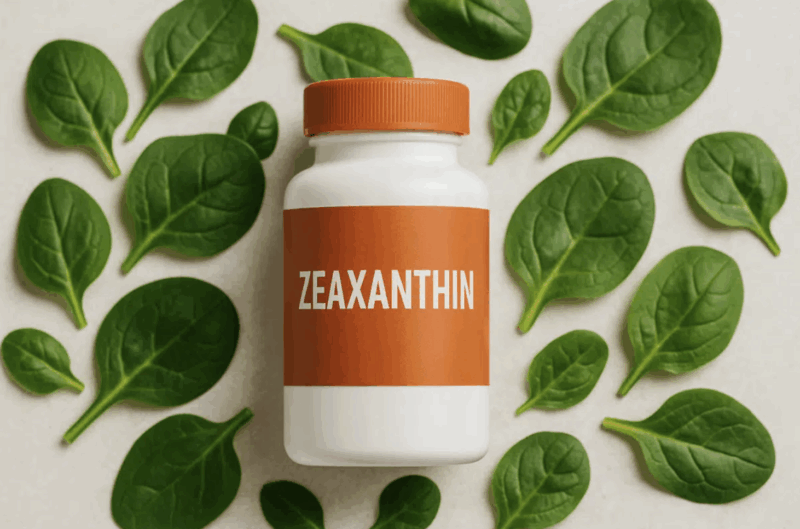
Scientists searching for nutrients that bolster the immune system have identified an unexpected candidate: zeaxanthin, a pigment found in corn, spinach, and egg yolks that is commonly marketed for eye health.
Researchers at the University of Chicago discovered that zeaxanthin enhanced the ability of CD8+ T cells to attack and destroy tumor cells in mice. When mice with melanoma tumors received daily oral doses of zeaxanthin, tumor growth slowed in mice compared to untreated animals. The compound also worked with checkpoint inhibitor drugs, a type of immunotherapy, to further suppress tumor growth.
The findings, published in Cell Reports Medicine, emerged from a systematic screen of hundreds of nutrients circulating in human blood. The research team co-cultured immune cells with tumor cells in the presence of various dietary compounds to identify which ones improved the immune system’s cancer-fighting capacity.
Structural Twins with Different Effects
Zeaxanthin and lutein are chemical cousins. Both belong to the carotenoid family, differ by just one double bond in their molecular structure, and concentrate in the human retina where they filter blue light. Both are sold as vision supplements, often combined in the same pill.
Yet only zeaxanthin enhanced immune function in the experiments.
When the scientists tested lutein alongside zeaxanthin, lutein failed to increase T cell activation or improve tumor control in mice. This specificity suggests that zeaxanthin’s effects depend on its precise molecular shape rather than general antioxidant properties shared by many carotenoids.
The research team tested several structurally similar compounds and found that only zeaxanthin and fucoxanthin, another carotenoid from seaweed, significantly boosted T cell activity. The symmetrical structure of zeaxanthin, with matching ring structures at both ends of its molecular chain, may be critical for its immune effects.
How Zeaxanthin Works
The researchers traced zeaxanthin’s effects to the surface of CD8+ T cells, a type of immune cell that kills cancer cells. On the surface of these cells sits a protein cluster called the T cell receptor, which acts as the cell’s antenna for detecting threats.
Using a specially designed version of zeaxanthin, the team found evidence that zeaxanthin attaches to parts of this receptor. Rather than simply sitting in cell membranes like other carotenoids, zeaxanthin appears to help assemble the receptor complex on the cell surface.
This triggers a cascade of activity inside the cell. Zeaxanthin treatment increased calcium release and turned on key proteins that activate immune cells. When the researchers blocked these internal signals with drugs, zeaxanthin’s effects disappeared.
Analysis of immune cells inside tumors revealed that zeaxanthin supplementation increased the number of cancer-killing T cells. These cells showed higher levels of activation and produced more inflammatory signals that help fight tumors.
Boosting Immunotherapy
The researchers tested whether zeaxanthin could enhance anti-PD-1 therapy, a widely used cancer treatment that removes the brakes on immune cells. Mice receiving both zeaxanthin and anti-PD-1 drugs showed better tumor control than those receiving either treatment alone in both melanoma and colon cancer models.
In laboratory experiments with human cells, zeaxanthin enhanced the tumor-killing ability of engineered immune cells designed to recognize specific cancer targets. These modified cells killed melanoma cells more effectively when treated with zeaxanthin.
These results hint at potential for zeaxanthin to complement immunotherapy, though this has not been tested in people. Current immunotherapies work well for some patients but fail in many others.
Dietary Sources and Dosing Questions
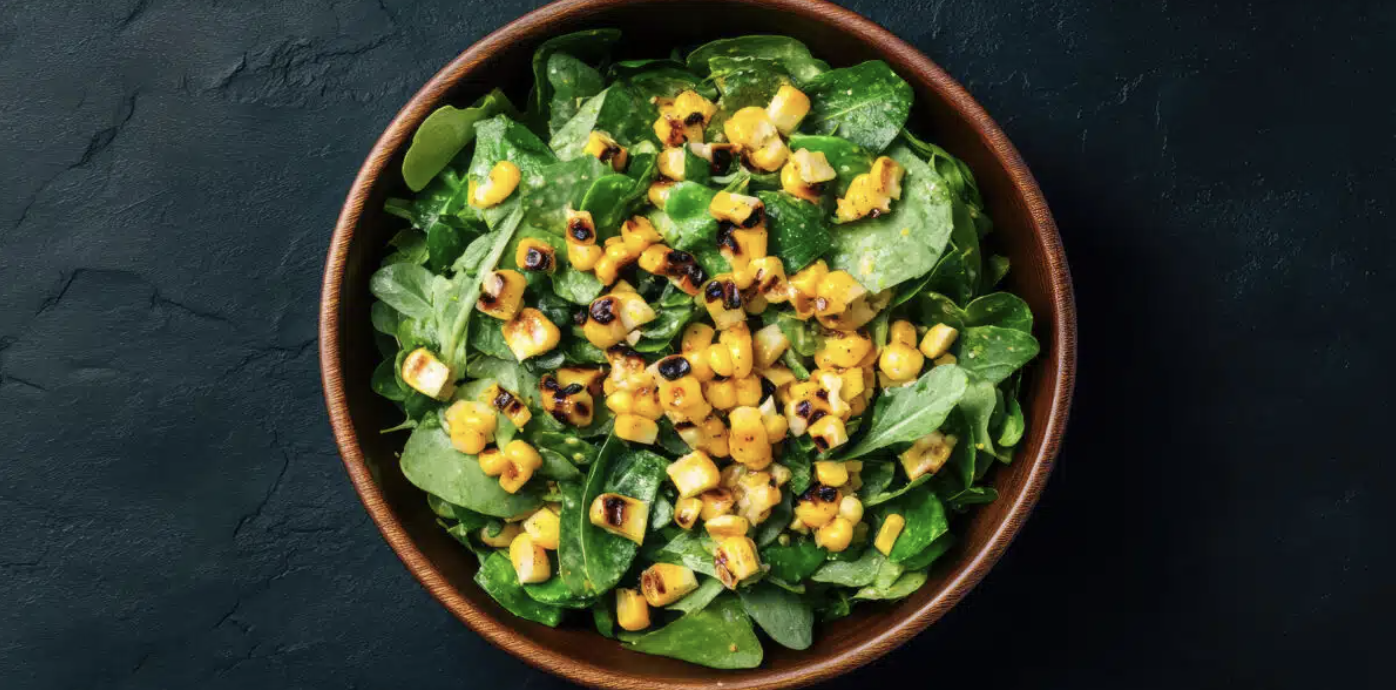
Zeaxanthin occurs naturally in many foods. Corn and corn products contain high concentrations, as do leafy greens including kale, spinach, and collard greens. Egg yolks provide another source.
Humans cannot make zeaxanthin and must get it from diet or supplements. Blood levels reflect recent intake.
In the mouse experiments, the dose was 500 milligrams of zeaxanthin per kilogram of body weight daily. This dose is far higher than typical human use and may not be achievable through diet or supplements. For context, most zeaxanthin supplements contain 2-10 milligrams per capsule.
The researchers detected increased zeaxanthin levels in both blood and the fluid surrounding tumors. Concentrations were higher in the tumor environment than in blood.
Whether typical dietary intake or standard supplement doses would produce similar effects in humans remains unknown.
Source : https://studyfinds.org/zeaxanthin-eye-health-boosts-cancer-fighting-cells



