Previously, they couldn’t leave Ukraine after they turned 18 due to potential conscription. But this week, new rules say young Ukrainian men can come and go as they wish. Will it help bring those who fled the war back?
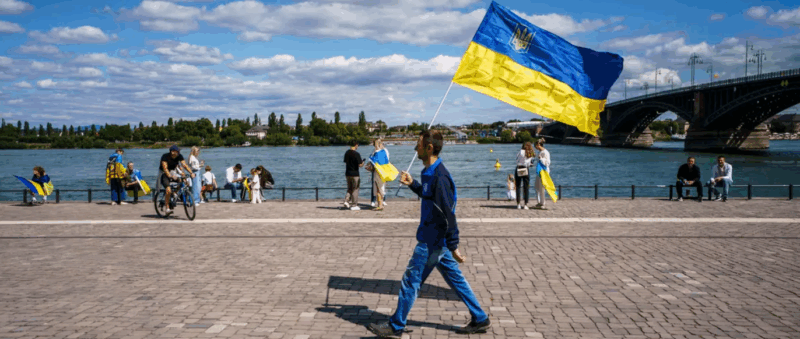
This week, new regulations on the departure of young Ukrainian men, who might be subject to military conscription, came into force in Ukraine.
If they are under 22, they can now cross the border unhindered. “We want Ukrainians to maintain as many ties with Ukraine as possible,” Ukraine’s Prime Minister Yulia Svyrydenko said about the rule change.
Previously men aged between 18 and 60 had not been allowed to leave Ukraine. That’s because they might eventually be drafted into the army and the grinding fight against Russia, which invaded Ukraine in 2022.
However, up until now, the draft in Ukraine has only targeted local men aged 25 and older. In fact, men under 27 were not obliged to fight for the first two years of the war. Still, the threat meant many teenage boyswere leaving the country shortly before their 18th birthdays.
At the beginning of August, Ukrainian President Volodymyr Zelenskyy promised to open the borders for young men aged between 18 and 22. This has now happened.
“The goal of this step is, first and foremost, to provide young Ukrainians with broader opportunities for education, internships and legal employment abroad, so that the experience they gain can later be used for the development of Ukraine,” Ihor Klymenko, Ukraine’s minister of the interior, wrote on the messaging platform, Telegram. “We are doing our best to ensure that Ukrainian youth have access to quality education and international experience while remaining a strong part of our state.”
Some exceptions to new rule
Up to their 23rd birthday Ukrainian men can now cross the national borders at will, Andriy Demchenko, a colonel and the spokesperson of the State Border Guard Service of Ukraine, told DW.
However the new regulations don’t apply to some individuals, he added — those holding certain positions in government agencies and state bodies or in regional, community-led administrations. “For this group of individuals, foreign travel can still only be undertaken as part of a business trip,” Demchenko said.



