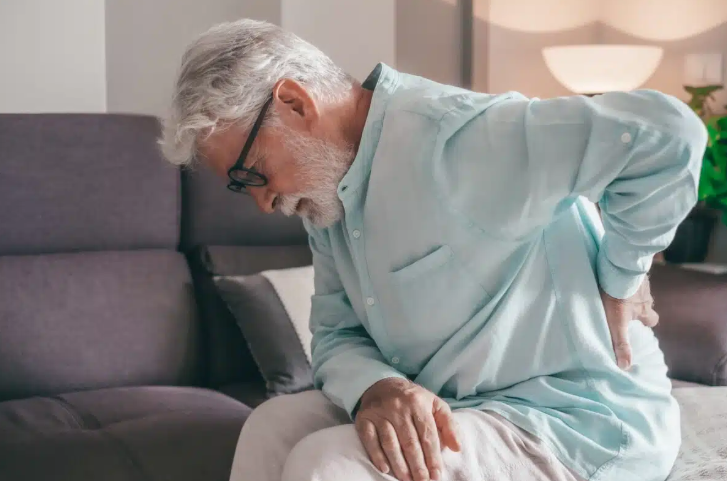
Is a constantly aching back a sign of declining health? A major study of Brazilian adults reveals that nearly two-thirds of people with chronic back pain battle multiple serious health conditions, challenging the idea that chronic back pain exists in isolation.
Research published in the Brazilian Journal of Physical Therapy examined health data from 87,678 adults who participated in Brazil’s 2019 National Health Survey. Of participants, 21.6% reported having chronic back pain. Yet among those dealing with persistent back problems, a stunning 62.1% also had at least one other chronic health condition.
Scientists at the University of Technology Sydney say these patients are managing serious conditions including heart disease, depression, arthritis, diabetes, and other serious ailments that make daily activities exponentially more difficult.
Heart disease affected 40.5% of people with chronic back pain versus 22.8% of those without back problems. Arthritis or rheumatism struck 19.3% of back pain sufferers compared to only 4.3% of others. Depression rates nearly tripled, jumping from 7.7% in people without back pain to 19.3% in those with chronic back issues.
Rather than viewing back pain as an isolated musculoskeletal problem, the research points to chronic back pain as part of a broader health crisis affecting millions of people.
Women and Older Adults Hit Hardest
Women made up a significantly larger portion of those dealing with back pain plus additional health problems. People with multiple conditions tended to be older, with lower education levels, and higher body mass index readings.
Of those with chronic back pain and depression, women represented 81.1% of cases. For arthritis combined with back pain, women made up 79.3% of sufferers. The average age difference between those with back pain alone versus those with multiple conditions was 12.1 years.
Certain Disease Combinations Worsen Activity Limitations
Having multiple conditions alongside chronic back pain severely impacts daily functioning. The research found that certain combinations proved particularly challenging for maintaining normal activities.
People with chronic back pain plus arthritis or rheumatism were more than twice as likely to report higher levels of activity limitations compared to those without this combination. Depression paired with back pain made people 60% more likely to report worse activity limitations, while cardiovascular disease increased those odds by 50%. Other lung diseases also showed a strong association, with nearly double the likelihood of activity limitations.
Of people with back pain alone, 41.5% reported no activity limitations, but only 25.9% of those with multiple health conditions reported no limitations — a difference of more than 15 percentage points.
Medical Treatment Falls Short for Most Back Pain Patients
Most clinical guidelines focus on back pain as a standalone condition, but this research shows that approach may overlook the reality that most patients face multiple interconnected health issues.
The interconnected nature of these conditions could explain why some back pain treatments succeed while others fail. A person dealing with depression, heart disease, and arthritis alongside their back pain may require a fundamentally different treatment strategy than someone with back pain alone.
While this study focused on Brazil, the patterns mirror findings from wealthier countries. The connection between chronic back pain and other health conditions crosses economic boundaries. Previous research from Germany, Australia, and the United States has documented similar clustering of chronic diseases with back pain.
Source : https://studyfinds.org/just-back-pain-other-health-problems/



