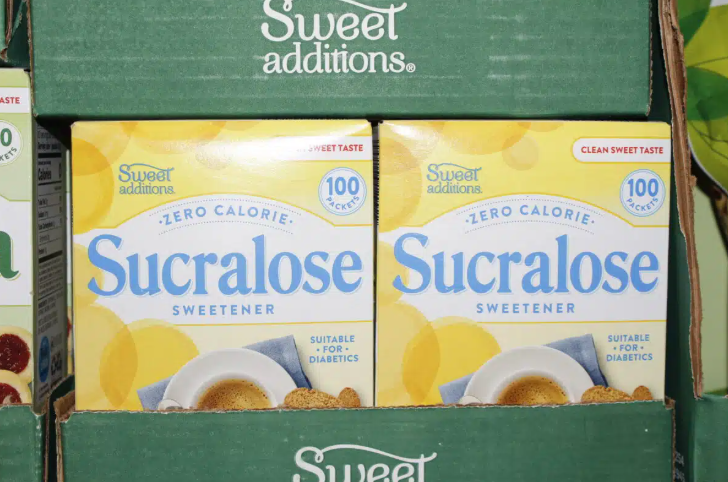
Cancer patients who regularly consumed sucralose, the artificial sweetener found in Splenda and many diet products, were less likely to benefit from immunotherapy and experienced shorter survival, according to new research. The study reveals a surprising connection between everyday food choices and how well cutting-edge cancer treatments work.
Scientists analyzed dietary data from 91 patients with advanced melanoma and another 41 patients with lung cancer before they began immunotherapy treatment. An additional 25 patients with high-risk melanoma were studied in a separate preventive treatment group. Those consuming more than 0.16 milligrams of sucralose per kilogram of body weight daily (about 0.07 milligrams per pound) had significantly lower response rates and shorter progression-free survival.
Researchers at the University of Pittsburgh Medical Center then turned to laboratory experiments to understand why. The study, published in Cancer Discovery, concludes that sucralose alters gut bacteria in ways that deprive immune cells of the nutrients they need to fight cancer.
How Sucralose May Disrupt Cancer Treatment
Laboratory experiments with cancer-bearing mice revealed the likely mechanism behind these poorer outcomes. When researchers gave mice sucralose-laced water, tumors grew larger and fewer animals survived compared to those drinking regular water. Mice given sugar water did not show these problems, suggesting the effect was specific to sucralose rather than sweetness in general.
Analysis of immune cells showed that sucralose consumption left T cells, which are immune cells that cancer immunotherapy drugs are designed to activate, exhausted and less functional. These weakened T cells produced fewer cancer-fighting molecules and had lower energy reserves.
Direct effects of sucralose on T cells in lab dishes were modest. Instead, the bigger impact came from changes in gut bacteria. Sucralose shifted the balance of microbes, encouraging strains that break down arginine, an amino acid that fuels T cells. Blood and tumor tissue from sucralose-consuming mice showed depleted arginine levels.
To confirm that gut bacteria were responsible, researchers transferred stool samples from sucralose-consuming mice to healthy animals. The recipient mice developed the same resistance to immunotherapy, strongly supporting the idea that bacterial changes were driving the effect.
Reversing the Damage
Scientists also found a way to restore treatment response in mice. When they added citrulline, an amino acid the body converts into arginine, to water, the negative effects of sucralose were reversed. Mice consuming both sucralose and citrulline responded normally to immunotherapy, showing tumor shrinkage and improved survival.
Similarly, transferring gut bacteria from mice that responded well to immunotherapy helped restore treatment effectiveness in sucralose-consuming animals, particularly when combined with antibiotics beforehand.
What This Means for Patients
Sucralose is common in tabletop sweeteners, processed foods, beverages, medications, and supplements throughout the American diet. In this study, patients who consumed more than 0.16 mg/kg/day (about 0.07 milligrams per pound of body weight per day) faced higher risk of poor outcomes. The researchers note, however, that their dietary questionnaire did not provide enough detail to calculate exact intake from specific foods or drinks, so this figure cannot be directly translated into cans of soda or packets of sweetener.
Cancer immunotherapy costs over $100,000 annually and works for fewer than half of patients. These treatments have transformed care for previously untreatable diseases. If diet factors like sucralose undermine treatment effectiveness, addressing them could be a simple way to improve outcomes and reduce costs.
The research also raises broader questions about the safety of artificial sweeteners. While regulatory agencies have long considered sucralose safe based on toxicity studies, this study shows it may have immune system and gut bacteria effects at consumption levels once thought harmless.
Earlier studies found sucralose can alter gut bacteria and glucose metabolism in healthy people. This new work is the first to connect those changes directly to cancer treatment response, suggesting that what patients eat and drink could have life-and-death consequences during therapy.
Source : https://studyfinds.org/sweetener-sucralos-cancer-treatment-effectiveness/



