Rohit Sharma set multiple records during the 3rd ODI between India and Australia with his 33rd ODI ton of his career. Rohit achieved a feat that has not been done for the last 50 years with this incredible knock.
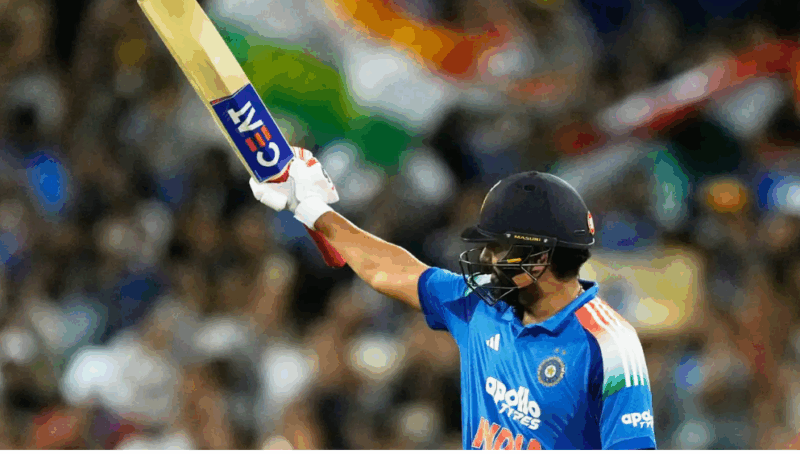
Photo : AP
Rohit Sharma etched his name in the history books by breaking multiple world records during the 3rd ODI between India and Australia at the Sydney Cricket Ground (SCG) on Saturday (October 25) as he silenced rumours over an impending retirement with the 33rd ODI century of his career.
The 38-year-old continued his dominance of the ODI format with a knock of 121 runs in 125 balls while putting up an 168-run partnership with Virat Kohli. The memorable effort helped India seal a nine-wicket win with 69 balls to spare and ensure the Shubman Gill-led team avoided a whitewash.
Rohit Sharma Creates History
At the age of 38, Rohit has become the oldest player to score an ODI century against Australia in the 21st century, going past Kumar Sangakkara in an elite list. Overall, the former Indian captain is the second-oldest player to score a ton against the six-time world champions in the 50-over format, with the only other instance being a player older than 38 scoring a century against the Men in Yellow coming 50 years ago.
Oldest Players To Score A Century vs Australia In ODI Cricket
| Player | Age | Runs | Ground | Year |
| Geoffrey Boycott | 39 Years, 51 Days | 105 | Sydney | 1975 |
| Rohit Sharma | 38 Years, 178 Days | 121 | Sydney | 2025 |
| Kumar Sangakkara | 37 Years, 132 Days | 104 | Sydney | 2015 |
| Sanath Jayasuriya | 36 Years, 206 Days | 114 | Sydney | 2006 |
| Sachin Tendulkar | 36 Years, 195 Days | 175 | Hyderabad | 2009 |
Rohit has also become the second-oldest centurion for India in the ODI format behind Sachin Tendulkar (38 years, 327 days), whose record set during his 100th international century against Bangladesh at Mirpur in 2012 still stands strong.
This is Rohit’s 23rd ODI ton after turning 30, extending his world record for being the player with the most tons by a player in his 30s or later.



