OpenAI turned down Apple’s proposal to deepen their AI partnership, choosing instead to focus on developing its own AI-powered hardware. Apple had sought OpenAI’s models to enhance Siri but later pivoted to Google’s Gemini. OpenAI’s existing ChatGPT integration with Apple devices remains unaffected by the decision.
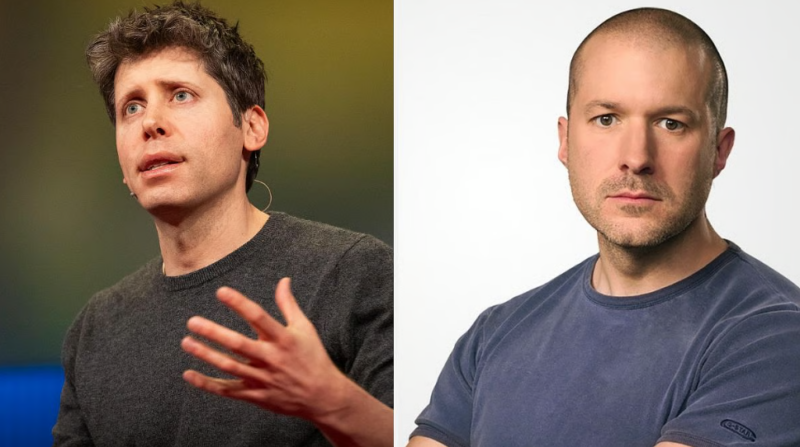
As opposed to popular belief, OpenAI reportedly turned down the opportunity to deepen its collaboration with Apple, choosing instead to concentrate on creating its own range of AI-powered devices. Apple was keen on collaborating with OpenAI to build Siri, but CEO Sam Altman chose to rather team up with renowned designer Jony Ive to bring innovative wearable hardware to market. OpenAI’s lacklustre response forced Apple to then pivot to Gemini for powering Siri and its Foundation models.
According to Financial Times sources, Apple approached OpenAI to serve as the custom model provider for enhancing features such as Siri within its Apple Intelligence suite. However, OpenAI declined the offer, prioritising its internal projects over committing resources to Apple’s ecosystem. This move aligns with a directive from OpenAI’s chief executive, Sam Altman, to streamline efforts around core products like ChatGPT and curtail peripheral initiatives.
The existing integration between OpenAI’s ChatGPT and Apple’s systems remains unaffected, allowing iPhone users to access ChatGPT-powered features. Nonetheless, OpenAI’s refusal signals a strategic shift towards independence in the competitive AI landscape.
It was OpenAI who snubbed Apple’s deal



