The Pakistan government is implementing a range of austerity measures, including reduced work hours and fuel allowances, to manage the economic impact of global fuel supply disruptions amid Middle Eastern conflicts.
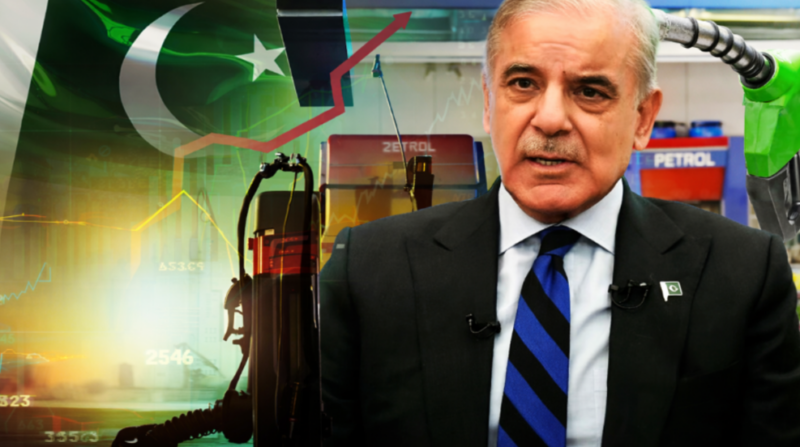
In an unprecedented step reflecting mounting economic pressure, Pakistan has cancelled its Republic Day parade on March 23 as the government tightens spending amid the ongoing Gulf oil crisis. According to a statement by Prime Minister Shehbaz Sharif’s office, the upcoming Republic Day shall be commemorated with dignity and reverence through a simple flag‑hoisting ceremony at appropriate levels.
“This measure is being taken to ensure that the resilience and unwavering commitment of the nation to the ideals of Pakistan Day remain aligned with the broader austerity framework,” the statement by Sharif’s office read.
In Pakistan, March 23 usually begins with a 31-gun salute in the federal capital and a 21-gun salute in provincial capitals, which is followed by the participation of Pakistani armed forces in the parade and the display of military pageantry. The day commemorates the adoption of the historical Pakistan Resolution at the 27th annual meeting of the All-India Muslim League, through which Muslims of the Sub-continent demanded a separate homeland for themselves in 1940.
Fuel prices surge in Pakistan
This comes as fuel prices in Pakistan surge sharply amid the ongoing Middle East conflict, which has disrupted global energy supplies. The Pakistani government on Friday increased petrol and diesel prices by Rs 55 per litre, raising petrol to Rs 321 per litre and high-speed diesel to Rs 336 per litre, the Express Tribune reported. Officials said this could be the first of several price hikes if the war in West Asia continues.
The United States and Israel have been pounding Iran since February 28, while Tehran has launched counterattacks against US bases in Gulf countries as well as commercial and oil infrastructure. The crisis has disrupted global fuel supplies passing through the Strait of Hormuz, a narrow channel between Iran and Oman that carries one-fifth of the world’s oil and a quarter of seaborne liquefied natural gas exports, impacting Pakistan among several countries.
This is not the first major decision that Pakistan has taken amid the deepening oil crisis. Last week, Sharif announced a series of austerity steps, including a four‑day work week for government offices, requiring 50 percent of staff to work from home, cutting fuel allowances for official vehicles by half, grounding up to 60 percent of the government fleet and closing all schools for two weeks to conserve fuel amid the global oil crisis, Arab News reported.



