A probe is underway to determine whether the carnage was caused by a remote-controlled IED planted at the fuel station or a suicide bomber
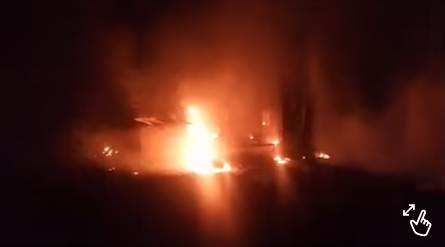
A devastating explosion tore through a petrol station in the Lower Wana area of South Waziristan in Pakistan on Saturday, claiming the lives of at least ten people and leaving several others critically injured, CNN-News18 has learnt. The blast, which occurred during a busy hour at the fuel station, has once again plunged the restive tribal district into a state of mourning and high alert.
Rescue teams and law enforcement agencies rushed to the scene immediately following the blast to shift the deceased and wounded to the District Headquarters (DHQ) Hospital in Wana. Hospital sources have expressed concern that the death toll may rise, as several of the injured remain in a precarious condition.
Preliminary investigations are currently underway to determine the exact nature of the explosion, said sources. Security officials are scrutinising the site to ascertain whether the carnage was caused by a remote-controlled Improvised Explosive Device (IED) planted at the station or a suicide bomber targeting the facility. While no group has officially claimed responsibility for the attack as of Saturday evening, the region has seen a sharp uptick in militant activity over the past month.
The incident comes at a time of heightened regional tension and a deteriorating security situation along the Durand Line. Over the last fortnight, South Waziristan and neighbouring North Waziristan have been the site of frequent skirmishes and targeted attacks. This latest tragedy follows a suicide bombing just a day prior in North Waziristan, which targeted a security check post, further straining the capacity of local law enforcement.
The blast has also sparked panic among the local population, who have been grappling with fuel shortages and economic instability caused by the broader regional conflict between Iran and Israel. The destruction of a key petrol pump in Wana not only represents a loss of life but also a direct blow to the already fragile supply chain in the tribal belt.



