While the interim Bangladesh administration frames the unrest as a spontaneous eruption of grief, ground intelligence suggests a far more calculated design
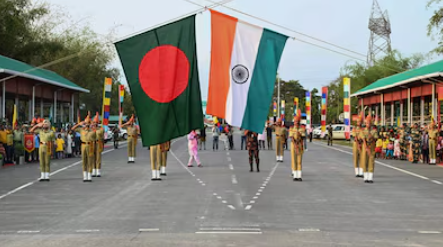
The escalating turmoil in Bangladesh following the death of student leader Sharif Osman Hadi is being viewed by top intelligence sources as a meticulously timed and premeditated pivot towards a hardline anti-India stance. While the interim administration frames the unrest as a spontaneous eruption of grief, ground intelligence suggests a far more calculated design. The violence is not merely a byproduct of a power vacuum but a deliberate use of “controlled chaos” to reshape the country’s foundational identity and its relationship with New Delhi.
The systemic failure to protect diplomatic missions—including the targeted stone-pelting at the Indian Assistant High Commission in Chattogram and the siege of the High Commission in Dhaka—stems from a lack of political will rather than a lack of security capacity. Reports indicate that Jamaat-e-Islami-aligned student and street networks were mobilised with precision immediately following the incident. Despite having the resources to intervene, local police stations in several Dhaka zones were effectively immobilised by political fear. Officers were reportedly ordered to avoid immediate arrests to prevent “escalation”, a hesitation that granted attackers the necessary window to disperse and escape.
Crucially, this administrative paralysis serves an underlying narrative: any robust police action risked being branded as “pro-India suppression”, which would feed the radical claim that the unrest was an Indian-backed plot. This premeditated blame shift onto India serves to delegitimise the entire Awami League ecosystem and sideline any remaining pro-Hasina institutions. By allowing radical elements to dominate the streets and fan anti-Hindu sentiment, the interim government is successfully reorienting the domestic political discourse towards a “revolutionary” legitimacy that is inherently hostile to India.



