China has offered India a chance to join the Regional Comprehensive Economic Partnership (RCEP), signalling a potential revival of trade relations between the two Asian giants. Beijing views India’s participation as a way to boost exports and lower tariffs, while New Delhi has historically kept its distance to safeguard domestic industries.
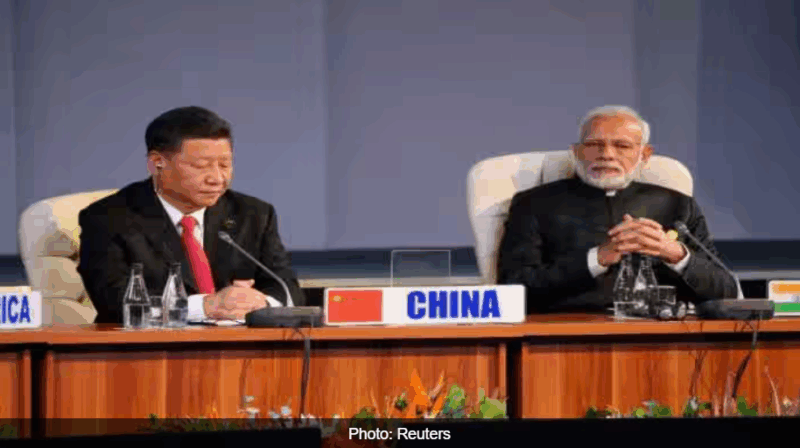
India’s ties with China have witnessed a shift, particularly after the United States imposed stringent tariffs. Both nations are now exploring ways to strengthen their economic relationship.
“If New Delhi adopts a more open stance toward Beijing and joins the RCEP, China could import more from India. Indian goods could become more competitive than others. Tariffs on products within this bloc could reach zero within a decade. Greater cooperation in trade and investment could benefit both nations,” the possibilities of India joining RCEP, Leqing Zhang, director of the Center for International Finance Studies in Beijing, told ET.
India has stayed out of the RCEP mainly to protect its domestic industries and farmers. Concerns include a flood of cheaper Chinese imports, particularly in electronics, machinery and dairy, which could undermine local producers and widen the trade deficit.
Some RCEP provisions on services and investment also do not align with India’s national interests. These factors led New Delhi to opt out in 2019.
China Could Import More From India
Zhang expressed optimism about potential trade integration if India reconsiders its stance. “I believe that if India takes a more open approach toward China, we could definitely import more from India,” he said.
He also expressed hope that both sides could resolve remaining border issues.
India’s exports to China in FY 2024-25 fell by 14.4% to $14.3 billion from $16.7 billion in FY 2023-24, while imports from Beijing rose 11.5% to $113.4 billion, up from $101.7 billion the previous year.
“The RCEP has existed for several years. Unfortunately, India has not joined it so far. Perhaps in the future, India may reconsider this policy. We could achieve greater integration in trade, and bilateral commerce would grow rapidly,” he said.
Special Offers And Opportunities
Zhang highlighted that Chinese companies could set up branches and factories in India. The country’s strong service sector and tourism potential could attract investment from China, creating opportunities for growth in both nations.
“China and India are large economies. Challenges remain, but India is experiencing the highest economic growth,” he added.
Comparing Economic Growth
He pointed out that China’s growth rate is slower than before, though a 5% rate is sustainable. World Bank data show China’s GDP growth dropped from 5.4% in 2023 to 5% in 2024.
India’s GDP, in contrast, surged 7.8% in the April-June quarter, marking the highest level in five quarters. India’s FY 2025 growth stood at 6.5%.
He also highlighted global challenges, including protectionist measures and reciprocal tariffs led by the United States, which affect economic momentum.
“China and India will feel the impact of these shocks,” he said.
India faces a 50% tariff, while China faces 30%.



