Shukla has become the first India ever to go to the International Space Station, which is a milestone for ISRO’s human spaceflight program, Gaganyaan.
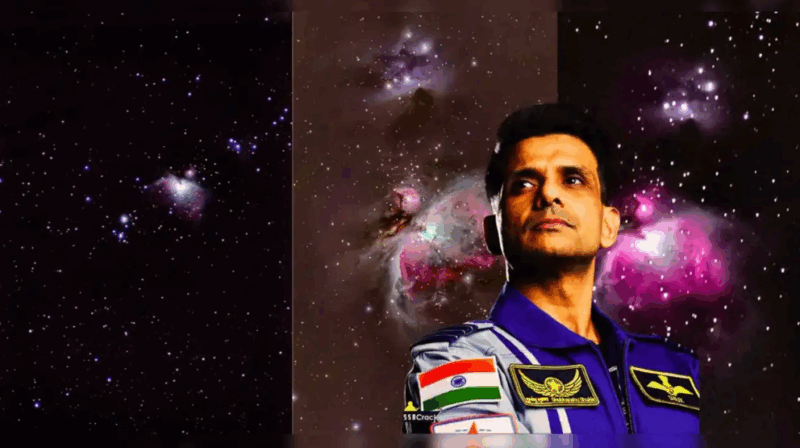
Indian astronaut Shubhanshu Shukla, who recently returned from the International Space Station (ISS) after concluding the Axiom-4 mission along with three other astronauts, has shared some breathtaking images of the Orion Nebula from Bengaluru skies that were clicked from his rooftop. He said the photos that were clicked on the ISS would take some time for clearance, and meanwhile, shared an “astrophotography story”.
“The photographs clicked on the station take some time to received, verified and cleared because of the multiple space agencies involved. While I wait for them I wanted to share an astrophotography story,” he said in a post on both his Instagram and X account.
“I started into astrophotography upon returning to India after my first leg of training at GCTC, Russia. The pictures in sequence are of the same interstellar object M42 (M stands for Messier- Name of the catalogue that maintains all night sky objects) also known as the Orion Nebula,” he added.
The photographs clicked on the station take some time to received, verified and cleared because of the multiple space agencies involved. While I wait for them I wanted to share an astrophotography story.
I started into astrophotography upon returning to India after my first leg… pic.twitter.com/SF6DMoiPHT
— Shubhanshu Shukla (@gagan_shux) July 24, 2025
“Over time we got better that is evident from the last photo. All the pictures were clicked from the night sky of Bengaluru. Slow or fast, if you keep moving progress is guaranteed,” Shukla, popularly called Shux, further said.
Recently, in a video posted on social media, Shukla was seen slowly regaining his balance and strength, highlighting the intense physical readjustment process astronauts go through after being exposed to microgravity for extended periods.
Shukla, who piloted the Dragon spacecraft ‘Grace’ back to Earth along with his crewmates, explained that the body undergoes several transformations in space, from fluid shifts and changes in heart rate to muscle loss and balance issues, all as part of adapting to the weightless environment aboard the ISS. Upon return to Earth’s gravity, these adaptations begin to reverse, triggering another phase of physical and neurological recalibration.



