Archaeologists found evidence of infant cannibalism from 850,000 years ago at Gran Dolina cave. A human neck bone with cut marks indicated intentional decapitation.
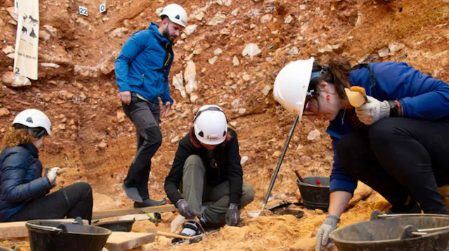
Spanish archaeologists found evidence of ‘infant cannibalism’ around 850,000 years ago. Researchers discovered a human neck bone while digging at the Gran Dolina cave site in Atapuerca, northern Spain. The remains show clear cut marks consistent with intentional decapitation.
“This case is particularly striking, not only because of the child’s age, but also due to the precision of the cut marks,” says Dr. Palmira Saladié, IPHES-CERCA researcher and co-director of the Gran Dolina excavation alongside Dr. Andreu Ollé. The IPHES researchers also mentioned that some bones also show defleshing marks and intentional fractures, typical indicators of meat exploitation similar to those found on animal bones consumed by these same humans.
“The vertebra presents clear incisions at key anatomical points for disarticulating the head. It is direct evidence that the child was processed like any other prey,” Saladié added.
The child was a Homo antecessor, a species that was the last link between Homo sapiens and Neanderthals. Several of the other bones found over the years have cut marks. The archaeologists are certain that our ancestors were cannibals and ate children.
However, this is not the first incident linked to human cannibalism. About 30 years ago, first known case of human cannibalism worldwide. The experts cited by IPHES in its report explained, “that we are documenting now is the continuity of that behaviour: the treatment of the dead was not exceptional, but repeated.”



