Artificial Intelligence is shaping the present phase in films. If used transparently, these tools can be a boon that helps in streamlining pre-production, improving accessibility, and even pushing artistic boundaries.
If the digital world wasn’t enough, there are digital babies. Al avatars, and deceased celebrities are being resurrected on-screen. In 2025, AI isn’t just part of everyday life and movie-making toolbox—it’s shaping entire stories, performances, and now, controversially, endings.
In the last two years alone, AI has left its fingerprints on some of the most celebrated films. ‘Emilia Prez’, leading the Oscars race with 13 nominations, used AI to enhance Karla Sofa Gascón’s singing voice. ‘The Brutalist’, starring Adrien Brody and Felicity Jones, saw its Hungarian dialogue refined through AI tools. Studios are leaning in as well. Warner Bros. uses AI-driven casting analytics; Lionsgate has tapped Runway AI to speed up storyboarding; and James Cameron is a part of Stability AI’s board.
There is no denying AI. It is the present, and if used transparently, these tools can be a boon that helps in streamlining pre-production, improving accessibility, and even pushing artistic boundaries. But the recent ‘Raanjhanaa’ controversy has exposed the flipside to AI, where it is being used to rewrite a vision, rather than enhancing it.
The Raanjhanaa Flashpoint
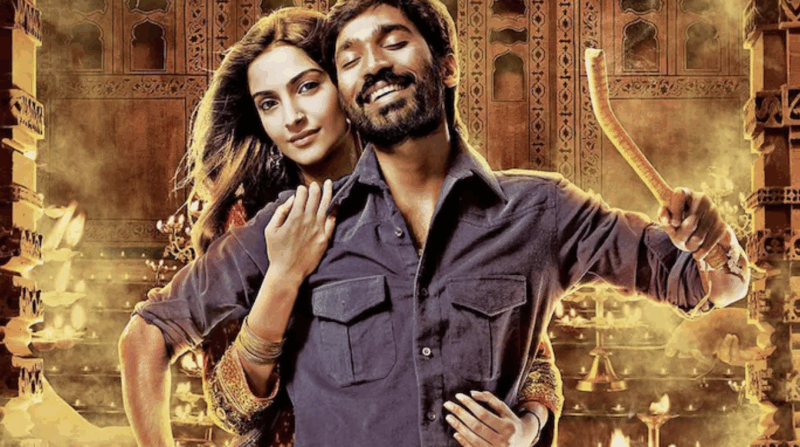
Earlier this month, Eros International re-released the Tamil version of ‘Raanjhanaa’ (Ambikapathy) with an AI-generated alternate ending in which Kundan [Dhanush] survives, leading to a sentimental reunion rather than the film’s original tragic climax.
Director Aanand L Rai and lead actor Dhanush, neither consulted nor informed, called it a betrayal. Rai branded the move “a dangerous precedent” and is looking at pursuing legal action to protect the work’s artistic integrity.
What began as a “tech experiment” became a national flashpoint. Critics argue that the power of ‘Raanjhanaa’ rests in its heartbreak; change the ending and you change the soul of the film. Rai compared it to “hijacking” the story’s intent.
Farhan Akhtar backed the director publicly. “If the creator of the film was unhappy about their work being changed, I will always support the creator,” he said during an event. Ritesh Sidhwani echoed the sentiment, stressing AI should only be used “smartly” and “to the film’s advantage,” not to override the filmmaker’s intent.
Eros defended the update, describing the new finale as a “creative reimagining” and asserting their legal right as the film’s copyright holders.
This isn’t the first time Indian filmmakers have expressed unease over AI’s creative creep. Karan Johar has previously said that while one cannot ignore the existence of AI, natural intelligence is irreplaceable. He mentioned, “If you have pure orange juice and you have canned orange juice, there is a difference. And yes, canned orange juice can take you to higher sales, and you can do much more economically. But there is a purity to fresh orange juice.”



