A slow and systematic jihadist takeover is underway in Mali, where Al-Qaeda-linked JNIM has built a shadow state that now dominates more than 70% of the country.
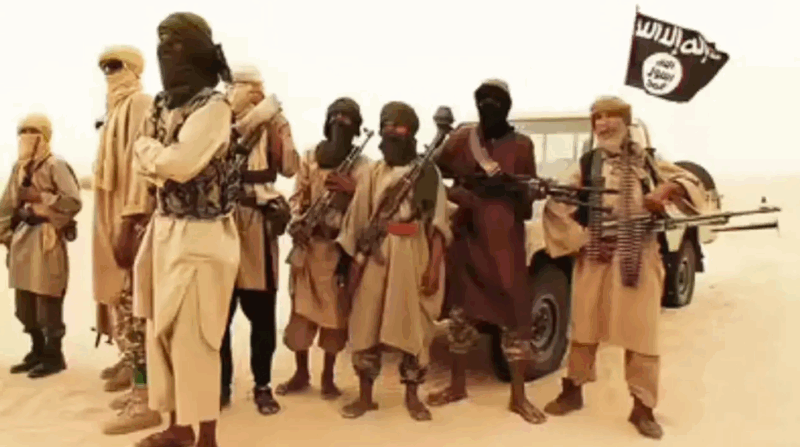
A slow, methodical jihadist takeover is unfolding in Mali – one that mirrors the Taliban’s return in Afghanistan.
In large parts of the Sahel nation, Al-Qaeda’s affiliate Jamaat Nusrat al-Islam wal-Muslimin (JNIM) is administering justice, collecting taxes, enforcing rules and squeezing the state in what analysts now call an “anaconda strategy”.
The shift has been years in the making.
Mali, once held up as a fragile but working democracy, has been vanquished to a point where only a handful of garrison towns remain firmly under state control. Elsewhere, the JNIM’s influence fully replaces – or shadows – the government.
And while global attention remains on Gaza, Ukraine or the South China Sea, the Sahel is witnessing one of the most significant territorial expansions by the Al Qaeda since 2001.
Sahel refers to the transitional region in North-Central Africa comprising of countries like Mali, Burkina Faso, Chad, Mauritania, and Niger. These countries face challenges like climate change, food insecurity, and political instability.
If Mali falls outright, it would be the first time since the Taliban’s 2021 takeover of Afghanistan, that an al-Qaeda affiliate captures and governs an entire country.



