The resurgence of extreme work culture has been reignited by Daksh Gupta, a 23-year-old entrepreneur from India, who leads the AI startup Greptile in San Francisco. Advocating for grueling 12-to-14-hour workdays, Gupta promotes a lifestyle devoid of distractions, emphasizing discipline among young professionals.
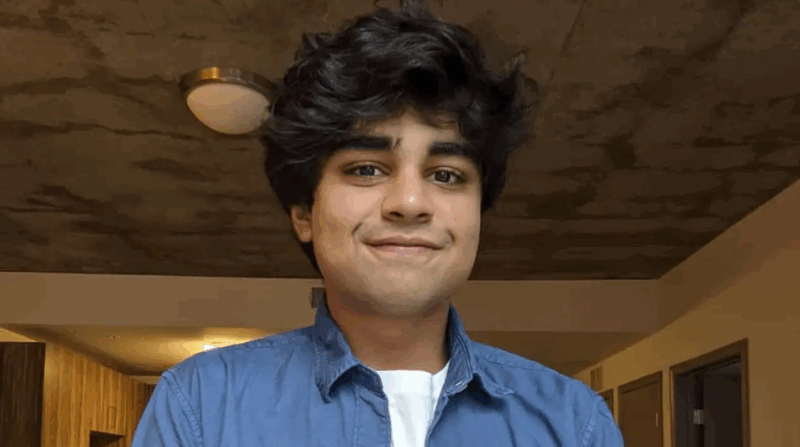
The global debate on extreme work culture has resurfaced with fresh intensity, this time driven by a 23-year-old Indian-origin entrepreneur who has made Silicon Valley sit up and take notice. Daksh Gupta, the founder and CEO of San Francisco-based AI startup Greptile, has become the latest tech leader to advocate relentless work schedules, urging young professionals to embrace 12-to-14-hour workdays, six days a week, while giving up drinking, drugs, and what he describes as “distractions.”
“The current vibe is no drinking, no drugs, 9-9-6 [work from 9 AM to 9 PM, six days a week], lift heavy, run far, marry early, track sleep, eat steak and eggs.”
His outlook echoes calls made in the past by influential figures such as Infosys co-founder Narayana Murthy, who in 2023 controversially suggested Indian youth should dedicate 70 hours a week to nation-building, and Tesla and SpaceX CEO Elon Musk, who has long promoted 80-hour workweeks as a baseline for building revolutionary companies.
One user commented: “Sounds like literally the most miserable existence ever. One day you’ll retire with plenty of money and realise you have no friends, and you’re too old to properly enjoy the money you’ve earned.”
Another questioned the practicality of his lifestyle, asking, “How does he find someone to marry if he’s working all the time and the rare time he isn’t, is working out?” Several others argued that such an approach risks burnout, depression, and alienation from social life.
However, the lucrative salaries come with non-negotiable conditions. Employees must work from Greptile’s San Francisco office, with no option for remote or hybrid roles. At the same time, Gupta ensures competitive perks, including free meals, transport, healthcare, and a 401k match, making it clear that the company expects nothing short of total commitment.
Gupta’s comments, therefore, highlight a growing ideological divide: should work be life’s centrepiece in pursuit of success, or should innovation flourish within balanced lifestyles? His rise as a 23-year-old founder makes his perspective noteworthy, but whether such a culture is sustainable remains a critical question.



